Every state in the U.S. gives timeshare buyers a short window of time after signing a contract during which they can cancel it completely, without penalties, without a reason, and without the resort's permission. This is called the rescission period, sometimes referred to as the cooling-off period. It's one of the only clean, uncomplicated exits that exists in timeshare law, and it goes almost completely unmentioned during the sales presentation. Resorts aren't legally required to explain it to you in plain terms, and their sales staff have no financial incentive to bring it up at all.
The length of the rescission window varies by state. Florida gives buyers ten calendar days. California gives three business days. Nevada gives five calendar days. Some states go as short as three days, while a handful stretch to fifteen. If you purchased at a resort in a different state than where you live, it's the state where the purchase happened, not your home state, that controls the timeline. That catches a lot of people off guard. You signed at a resort in South Carolina, flew home to Illinois, and now you're operating under the wrong state's rules.
These time limits are short for a reason. Resorts know that buyers who go home and sleep on it often want out. The whole sales model depends on catching people in an emotionally charged moment, usually after hours of high-pressure presentation, a few free drinks, and the manufactured excitement of a vacation. Once you're back in your real life, looking at your real bank account and your real credit card statement, the math rarely holds up. The rescission period is the legal acknowledgment that these purchases are uniquely susceptible to buyer's remorse, because the sales environment is uniquely designed to produce it.
If you're reading this and you just signed within the last week or two, the first thing to do is find out exactly when your rescission clock started. It typically begins on the date you signed the contract, not the date you returned home. Pull out your contract and find the section that references rescission, cancellation rights, or right of rescission. It should be there, because federal and state laws require it to be disclosed in writing. If you can't locate it, call the resort's general line and ask them to direct you to the cancellation or owner services department. Do not call the salesperson who sold you the contract. They are paid on commission and have no legal role in processing your cancellation.
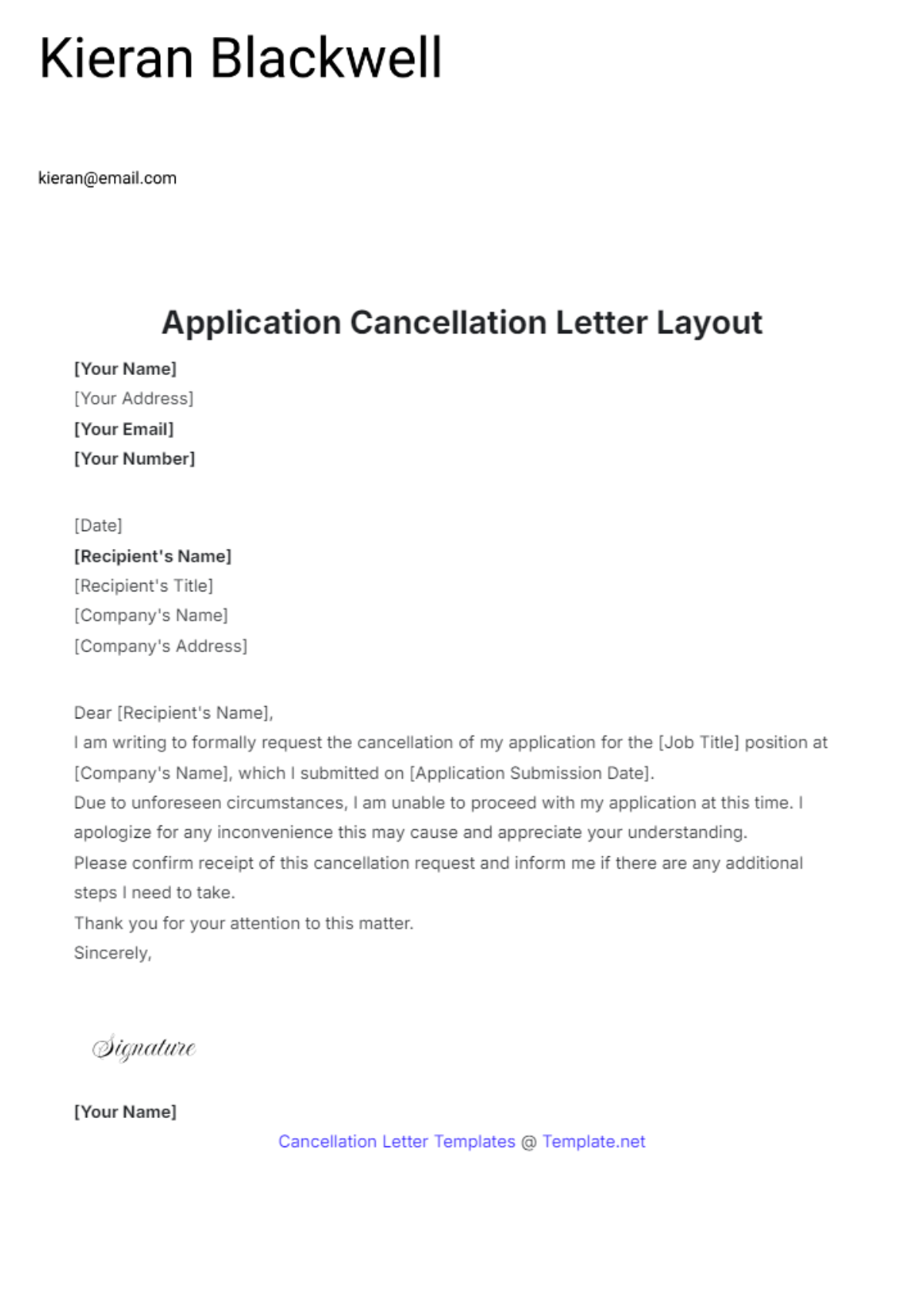
When you send your rescission notice, send it in writing. Do not rely on a phone call, an email alone, or a conversation at the front desk. A physical letter sent via certified mail with return receipt requested creates a paper trail that proves both the content of your cancellation and the date it was sent. In most states, the law cares about the postmark date, not the date the resort receives the letter. That means if your deadline is today and you mail the letter today, you've made the deadline, even if the resort doesn't open the envelope until next week. Keep photocopies of everything.
The letter itself doesn't need to be a legal document. It needs to clearly state your name, your contract number, the date you signed, and an unambiguous statement that you are exercising your right to rescind the contract. Some states specify what information must be included, so it's worth looking up the rescission statute for your purchase state before you write the letter. You can find most of these statutes through a simple search using your state's name and the words 'timeshare rescission law.' Read the actual statute if you can, not just a blog post about it.
A very common mistake is contacting the resort to try to negotiate or discuss the situation before sending the rescission letter. Resorts know they have a limited window to retain your purchase, and if you call them to explain your concerns, you'll often be transferred to someone whose entire job is to keep you in the contract. They may offer you a discounted rate, a different unit type, extra points, or a chance to speak with a manager who sounds very sympathetic. None of those offers change the underlying contract or the underlying problem. They are retention tactics. Send the letter first. Talk to them after if you want to.
If your rescission window has already closed, that's a genuinely different situation. It doesn't mean you're out of options, but it does mean the clean, automatic exit is no longer available to you. This is the point where people start researching resale, deed-backs, DIY cancellation, exit companies, and attorneys. Resale, which means trying to sell your timeshare on the open market, almost never produces a real buyer. The secondary market for timeshares is flooded with supply and nearly empty of demand. Most listings sit unsold indefinitely, and paid listing sites often charge upfront fees without any realistic path to a sale.
Deed-backs, where the resort agrees to take the property back, are possible but inconsistent. Some resorts have formal programs. Others have quiet, informal processes. Many simply say no. Getting a deed-back accepted usually requires the timeshare to be paid in full with no outstanding loan balance, all maintenance fees current, and sometimes additional exit fees paid to the resort itself. It requires persistence, documentation, and the ability to work through the resort's bureaucratic processes without losing your patience or your leverage.
DIY cancellation after the rescission period is legally possible but genuinely difficult. There are legitimate grounds for cancellation rooted in contract fraud, misrepresentation, or failure to disclose material facts during the sales process. If a salesperson told you that the timeshare would appreciate in value, or that you could easily rent it out to cover maintenance fees, or that it was a financial investment, those statements may constitute legally actionable misrepresentation. Proving it requires documentation. If you took any notes during the sales presentation, if you saved any brochures or written materials, if you made any recordings, all of that becomes relevant. This is the kind of case that benefits from a real attorney who works in consumer protection or contract law.
Exit companies vary considerably in quality and honesty. Some are legitimate operations staffed by attorneys and experienced advocates who have established relationships with resorts and know how to build a documented case for cancellation. Others are predatory businesses that collect large upfront fees, promise fast results, and then do little or nothing while the owner keeps paying maintenance fees for years. The red flags to watch for include demands for large upfront payment with no escrow, no written guarantee of outcome, pressure to sign quickly, and reluctance to provide references or verifiable credentials. A legitimate exit company or attorney should be willing to explain their process in detail and put their commitments in writing before you pay anything.
The rescission period is the one moment in the timeshare relationship when the law clearly, unambiguously sides with the buyer. If you're inside that window right now, treat it with urgency. Write the letter today. Get it postmarked today. Don't wait to see how the vacation turns out. Don't let the resort talk you into a follow-up call or a retention offer. The contract you signed was almost certainly sold to you with a degree of pressure and optimism that didn't reflect the full reality of what you were agreeing to, and the rescission period exists precisely because the law recognizes that. Use it.