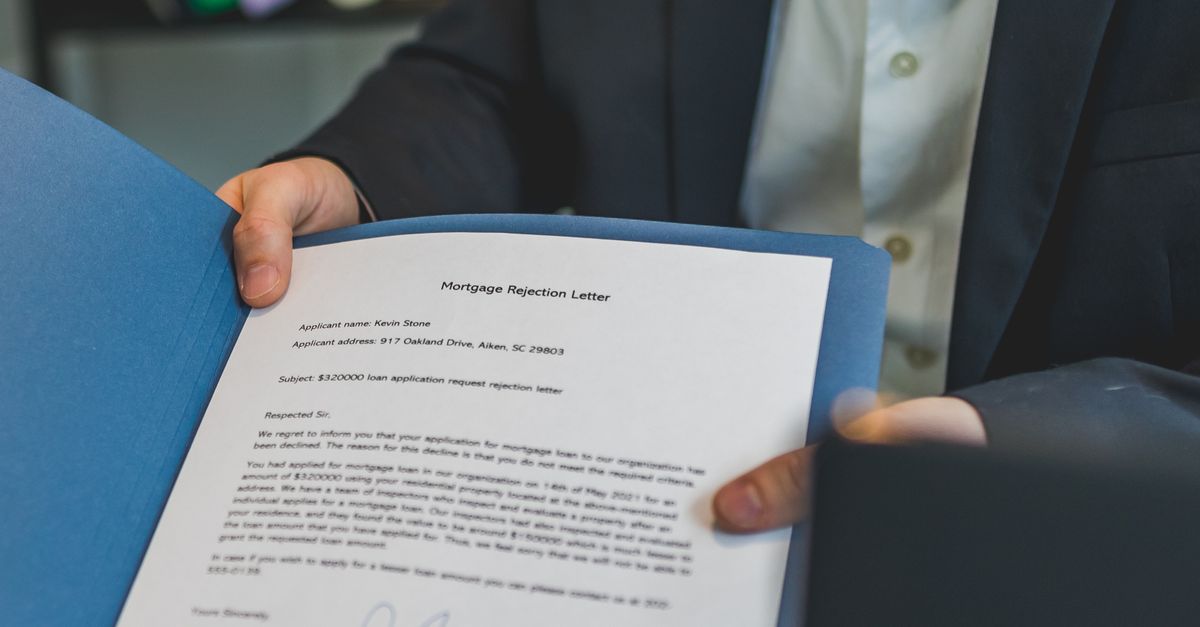
A deed-back rejection letter feels like a door slamming in your face. You did what the resort told you to do. You called the owner services line, filled out the paperwork, waited the six to twelve weeks they asked for, and then got a form letter saying your request was denied. No real explanation. Just a polite version of 'no.' For a lot of owners, that letter marks the moment they realize this is going to be harder than anyone let on.
Before you can make sense of the rejection, you need to understand what a deed-back actually is and what the resort is agreeing to when they accept one. A deed-back, sometimes called a voluntary surrender or a deedback program, is a process where the resort takes ownership of the timeshare back from you in exchange for releasing you from the contract. The resort absorbs the unit, wipes out your maintenance fee obligation, and you walk away. Simple in theory. The problem is that resorts are under no legal obligation to accept a deed-back from any owner who asks. They have full discretion to say yes or no, and they exercise that discretion constantly.
Why would a resort turn down a deed-back? The short answer is inventory. Every timeshare unit a resort takes back becomes inventory it has to carry, maintain, and eventually resell. If a resort is already sitting on a backlog of unsold or surrendered units, adding yours to the pile costs them money and dilutes their sales pipeline. Resorts that are struggling financially are often the ones with the biggest deed-back programs, but they're also the ones with the least ability to absorb more units. Resorts that are doing well have plenty of demand and don't need your unit back. Either way, the math rarely works in the owner's favor.
There's also a selection bias built into these programs that most owners never hear about. Resorts tend to accept deed-backs from owners who are current on their maintenance fees, have no outstanding loan balance on the property, and own a unit type that the resort can actually resell. If you financed your timeshare through the resort and still owe money on that loan, most deed-back programs will not even consider your application. If you've fallen behind on maintenance fees, the resort may demand you pay the arrears before they'll look at your file. That's a catch-22 for owners who stopped paying because they couldn't afford it. The deed-back program, the one exit path the resort controls, requires you to be in good financial standing to qualify for it.
The rejection letter rarely explains any of this. It might say something like 'your property does not meet our current inventory needs' or 'we are unable to accommodate your request at this time.' Owners read those lines and assume it's temporary, that maybe they should call back in a few months and try again. Sometimes owners do exactly that, cycling through the application process two or three times over the span of years, each time hoping for a different outcome. That pattern is one of the most expensive ways to spend time you don't have, because while you're waiting on the resort, the maintenance fees and special assessments keep coming.
Some resorts do have legitimate deed-back programs with clear criteria. A handful of major developers, under pressure from regulators and advocacy groups, have published written policies that spell out exactly who qualifies: typically owners who are current on all fees, free of any loan balance, and have owned for a minimum number of years. A few of these programs are genuinely accessible and worth pursuing before doing anything else. But even within those programs, approval rates are not published, processing times are long, and the resort can change the eligibility rules without much notice. An approval today does not mean the same request would be approved six months from now.
If you received a rejection letter and you do meet all the stated requirements, the most productive next step is to request a written explanation of why you were denied. Most resorts won't give you one voluntarily, but asking in writing creates a paper trail that can be useful later. Send the request by certified mail to the resort's owner relations or legal department, not to the general customer service line. Keep a copy of everything. If the rejection was based on incorrect information, like an outstanding fee balance that you actually paid and can prove, that's worth disputing directly with documentation. Small administrative errors do happen, and catching one can change the outcome.
If you genuinely don't qualify because of a loan balance or fee arrears, deed-back is probably not your next move. The options that exist for owners in that position are different and worth understanding clearly. Negotiating directly with the resort's owner relations team, separate from the formal deed-back process, sometimes opens a path that the standard application does not. Resorts will occasionally work with owners on a case-by-case basis, especially if the owner has a documented hardship or is willing to pay a negotiated amount toward outstanding balances. This isn't a guarantee and it doesn't always work, but it's a different conversation than submitting a standard deed-back form.
For owners who have already tried the resort's in-house options without success, a legitimate timeshare exit company or a contract attorney with timeshare experience may be the more realistic route. The key word there is legitimate. Exit companies that make broad guarantees, pressure you to decide immediately, or charge large upfront fees without a clearly written escrow arrangement deserve serious scrutiny. A reputable exit company will review your specific contract, explain the realistic options for your situation, and be transparent about timelines and costs. They won't promise a specific outcome before they've actually reviewed what you signed.
A deed-back rejection isn't the end of the road, but it is a signal worth taking seriously. It tells you that the resort isn't going to make this easy on its own terms, and that pursuing exit through the resort's preferred channel has run its course. Owners who treat the rejection letter as the start of a new phase rather than a dead end tend to find a clearer path forward. That means documenting everything from this point on, understanding what the contract actually says about transfer and exit rights, and getting an honest outside opinion about what the remaining options look like.
The most important thing to take away from a rejection is this: the resort controls its own deed-back program entirely. They designed it, they administer it, and they decide who benefits from it. That doesn't mean you're without options. It means the option the resort offers you is the one that works best for the resort, not necessarily the one that works best for you. Knowing that distinction is where any honest search for a real exit has to start.